
Emergency Roof Repair: What to Do After a Storm
11.5 Min Read
A storm can wreak havoc on your home, especially your roof. It’s the first line of defense against the elements.
When damage occurs, it’s crucial to act fast. Emergency roof repair can prevent further issues and protect your property.
But what should you do after a storm? How do you safely assess the damage and minimize its impact?
This guide will walk you through the steps. From immediate actions to long-term solutions, we’ve got you covered.
We’ll also help you navigate insurance claims and find reliable ‘roof repair near me’. Plus, we’ll share tips on maintaining your roof to prevent future damage.
Let’s ensure your home stays safe and dry, no matter the weather.
Immediate Steps to Take Post-Storm
When a storm passes, it’s vital to act quickly. Delays can lead to more damage.
First, ensure your safety. Avoid areas with visible damage or standing water.
Here are some key steps to take immediately:
- Stay indoors and avoid power lines or tree branches.
- Use a flashlight to check for leaks or water damage.
- Call a professional for a detailed inspection if you notice significant damage.
Do a visual inspection from the ground. Look for missing shingles or obvious holes.
Note any debris on the roof or in the yard. Broken tiles or shingles are clear signs of damage.
If you notice leaks, contain them with buckets to prevent water from spreading.
Take immediate action to cover any exposed areas with tarps or heavy plastic.
Document all visible damage. This will be important for insurance claims.
Reach out to emergency roof repair services. Fast action can prevent further issues.
Lastly, remain calm and handle the situation systematically. This ensures nothing is overlooked.
Assessing the Damage Safely
Your roof’s condition post-storm can be dangerous to evaluate. Proceed with extreme caution.
Always prioritize safety over a quick fix. That means staying off the roof entirely.
Begin by surveying your property from the ground. Look for damaged or missing roofing materials.
Use binoculars if needed. This helps you get a closer look from a safe distance.
Wind and rain can also damage gutters and downspouts. Check these carefully.
Identify any loose or damaged areas. This includes flashing around vents or chimneys.
Alert professionals if you suspect structural issues. They have the right tools for a closer inspection.
Avoid attempting a DIY roof climb. Instead, rely on experienced roofers for a comprehensive assessment.
Ultimately, a professional’s eye can spot subtle issues. This step is crucial for thorough repairs.
Minimizing Interior Damage
Once exterior damage is noted, shift focus inside. Water intrusion can cause extensive interior issues.
Move furniture and valuables away from leaking areas. This helps prevent water damage to belongings.
Set up buckets or basins under roof leaks. This helps collect water safely.
Consider using a tarp over interior areas. It provides an additional barrier against incoming water.
Check for water stains on ceilings or walls. This signals potential leaks that need attention.
Address minor leaks immediately. A small drip can grow quickly if ignored.
Ensure proper ventilation in affected areas. This helps reduce the risk of mold and mildew growth.
Monitor the situation closely. If water accumulates, promptly consult a professional.
These actions will help reduce interior damage. It can prevent the situation from escalating.

Navigating Insurance and Documentation
Once you have addressed immediate concerns, it’s time to navigate the insurance process. Proper documentation is key here.
Act quickly by contacting your insurance company. Early communication can streamline the claims process.
First, review your homeowner’s insurance policy. Understand what coverage is available for storm-related damage.
Make a list of covered damages. This will clarify what repairs might be reimbursable.
When you call your insurer, be ready with initial observations. They’ll guide you on what to do next.
Keep detailed notes during all communications. This includes dates, times, and contact names.
Photographs are invaluable. Capture every angle of the damage, focusing on both close-ups and wider views.
Write down any visible damages, from shingles to interior leaks. Document every detail you observe.
In addition, make note of any temporary fixes or adjustments you make. These actions demonstrate a proactive approach.
Finally, aim to maintain a well-organized file. Include all correspondence, receipts, and estimates for future reference.
Contacting Your Insurance Company
Getting in touch with your insurance provider is a critical step. Begin by gathering all necessary information.
Prepare your policy number and details about the storm damage. Having this on hand saves time.
Explain the situation clearly to your insurance agent. Mention the initial actions taken to mitigate damage.
Ask about the next steps in the claims process. They may suggest an adjuster visit or more documentation.
Remember to ask for clarification on deductible amounts. Knowing this helps in planning your finances.
Documenting the Damage for Claims
Proper documentation can influence claim approval. Begin by taking clear, high-resolution photos.
Capture every aspect of the damaged areas. These images provide a solid visual record.
Make a detailed list of all damages you observe. Note items like missing shingles or water stains.
Include the date and time for each entry. This helps establish when the damage was assessed.
Finally, keep this information organized and accessible. This makes it easier when submitting your claim to the insurer.
Finding Reliable Roof Repair Services
Locating a trustworthy contractor is crucial for effective repairs. The search begins immediately after a storm.
First, seek recommendations from friends or neighbors. They can provide insights based on personal experiences.
Online reviews are also valuable. Websites like Yelp or Google Reviews offer firsthand accounts of local services.
Compile a shortlist of potential contractors. Check their credentials and verify licenses.
Inquire about their experience with emergency roof repair. A seasoned professional knows how to handle storm damage.
Here are steps to ensure you choose a reliable contractor:
- Check for certifications and insurance coverage.
- Request references from previous clients.
- Look for local contractors familiar with regional weather.
- Compare quotes from multiple sources.
- Verify their reputation through the Better Business Bureau.
Contact these companies directly to get a sense of their customer service. Prompt and clear communication is essential.
Request estimates and timelines in writing. This avoids confusion later on.
Be wary of unusually low bids. They might indicate subpar materials or service quality.
Lastly, ensure the contractor offers a warranty on their work. This protects you from future issues.
How to Quickly Find ‘Roof Repair Near Me’
In an emergency, fast action is key. Start by using online search engines for “roof repair near me.”
Platforms like Yelp and Angie’s List can help identify local services. They provide user reviews and ratings.
Don’t overlook social media. Local community groups often share recommendations and warnings about contractors.
Mobile apps for home services can be helpful. They connect homeowners with nearby professionals quickly.
Always verify the contractor’s availability. Make sure they can respond promptly to your emergency needs.
Avoiding Scams and Unqualified Contractors
After a storm, scams become more prevalent. Being aware helps protect both your home and finances.
Avoid contractors who lack proper identification or refuse to provide written estimates. This is a red flag.
Be skeptical of door-to-door offers for roof inspections. Reputable companies don’t use high-pressure tactics.
Check the company’s history for past complaints. Use resources like the BBB for reliable information.
Reputable contractors never demand full payment upfront. Avoid those who insist on it before starting work.
Lastly, trust your instincts. If something feels off during interactions, seek another professional’s opinion.
Temporary Fixes vs. Long-Term Solutions
After a storm, addressing immediate damage often requires quick fixes. Temporary solutions, like tarping, help to prevent further damage.
Emergency repairs provide protection but are not permanent solutions. They buy time until more comprehensive repairs can be done.
Relying solely on quick fixes can lead to larger problems later. Over time, temporary measures can degrade, losing effectiveness.
Ultimately, a more permanent solution is necessary to restore the roof’s integrity. Comprehensive repairs or replacements are usually needed.
Deciding between a repair or replacement depends on the damage extent. Severe damage may mandate a full replacement.
Evaluate costs, longevity, and potential future issues when considering the best approach. Consulting a professional can aid in making an informed decision.
Emergency Tarping and Its Effectiveness
Emergency tarping offers immediate protection for damaged roofs. It helps keep water and debris out temporarily.
A tarp is an effective short-term barrier against the elements. It’s crucial for minimizing further interior damage.
Despite its usefulness, tarping is not a permanent fix. It’s a stopgap until professional repairs can commence.
For best results, use heavy-duty tarps. Secure them thoroughly to withstand wind and rain.
Professional installation ensures the tarp functions effectively. Experts understand how to maximize its protective capabilities.
When to Consider a Full Roof Replacement
A full roof replacement becomes necessary with extensive storm damage. It’s critical when repair costs approach replacement expenses.
Consider replacement if the roof’s underlying structure is compromised. This ensures long-term stability and safety.
Frequent leaks or widespread shingle damage often signal replacement needs. Minor repairs won’t suffice in these cases.
Durability and future cost-savings justify considering a full replacement. New roofs often enhance property value as well.
Consulting with a roofing professional helps determine the necessity. Their assessment guides informed decision-making.
Preparing for Roof Repair or Replacement
Preparation is key for a smooth repair process. Begin by understanding the full scope of work required.
Clear communication with your contractor ensures everyone knows the schedule and extent of repairs. It prevents future surprises.
Consider the impact on daily routines. Repairs can be noisy and disruptive, so plan accordingly.
Remove or cover furniture and valuables to protect them from dust or debris. This keeps your belongings safe during repairs.
Check if you’ll need permits for major roof work. Local regulations may require documentation before starting.
Arrange financing or payment plans if necessary. Being financially ready helps avoid delays and stress.
Understanding the Repair Process
Understanding the roof repair process eases the transition. Initial assessments determine the specific issues needing attention.
Expect thorough inspections to inform repair or replacement strategies. This step ensures accurate, efficient solutions.
Professionals will address any visible and underlying damage. Their expertise helps restore roof stability and safety.
Contractors typically provide a timeline, detailing when each phase will occur. Knowing the schedule helps manage expectations.
Effective communication with your contractor is crucial. Staying informed allows you to prepare for each repair stage adequately.
Preparing Your Home and Family
Preparing your home minimizes disruption during roof repairs. Secure areas beneath the repair site to prevent accidents.
Move outdoor items away from the house. Falling debris during repairs can cause damage.
Prepare your family for possible temporary relocation. Noise and safety concerns may necessitate it during extensive work.
Secure pets in safe areas to keep them calm. Noise and strangers can be stressful for animals.
Have a plan for alternate parking arrangements if your driveway is impacted. Ensuring access to your home remains manageable during construction.
Maintaining Your Roof to Prevent Future Damage
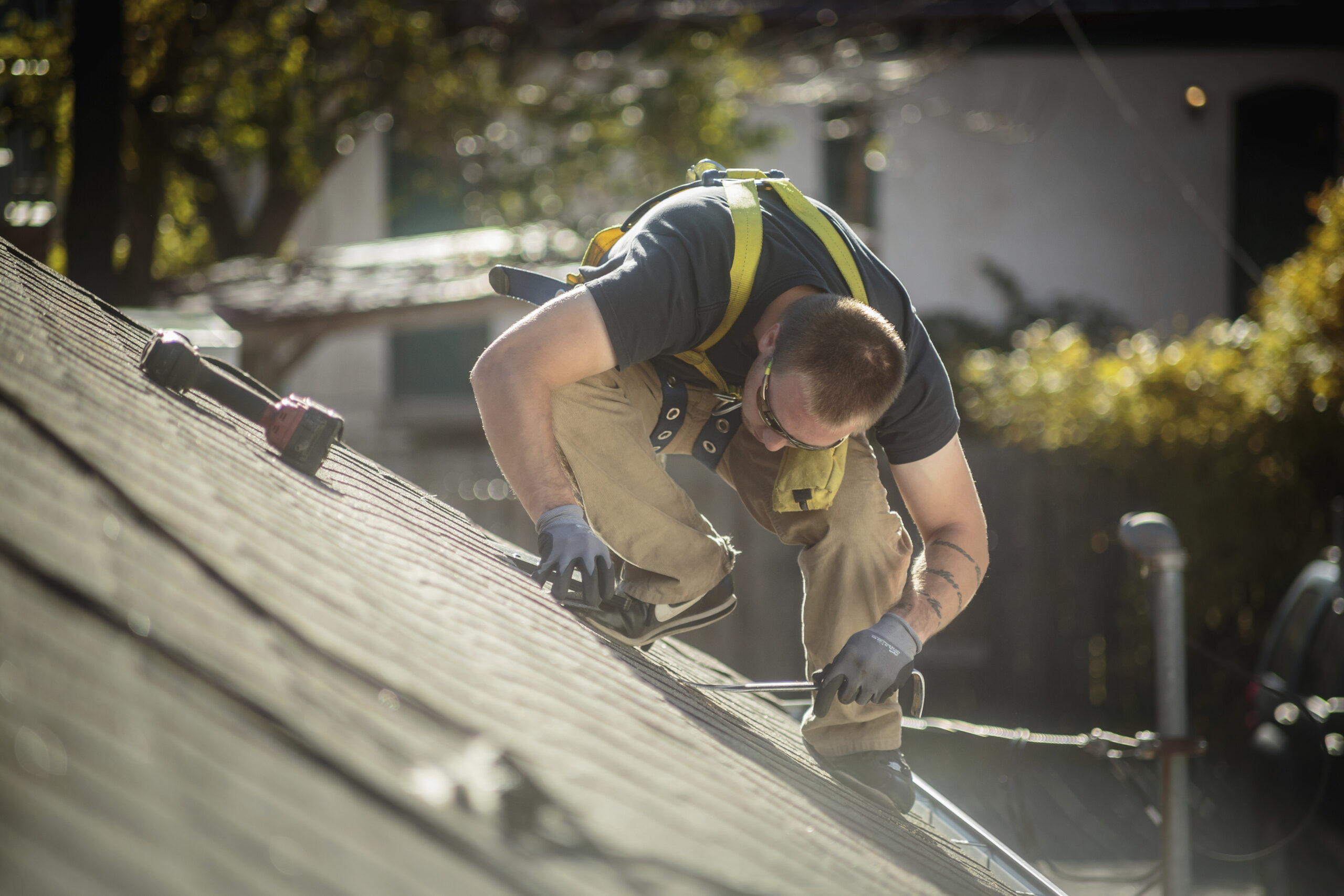
Regular roof maintenance is crucial to prevent future storm damage. Consistent care extends the lifespan of your roofing materials.
Create a maintenance schedule that includes inspections and minor repairs. This proactive approach helps catch issues early.
Consider setting reminders for seasonal checks. Different seasons bring unique weather challenges affecting roof durability.
Maintenance tasks include:
- Inspecting shingles for damage or wear
- Clearing debris from gutters and downspouts
- Checking for water leaks or stains in the attic
Review the need for professional assessments periodically. Experts can identify problems that may not be visible to the untrained eye.
Routine care adds value to your home. It enhances safety and protects your investment from potential weather impacts.
Regular Inspections and Maintenance Tips
Regular inspections help catch minor issues before they escalate. Inspect the roof twice a year, especially after severe weather.
Check shingles for cracks, curling, or missing pieces. These can indicate potential weak spots vulnerable to storms.
Keep gutters and downspouts clear of leaves and debris. Proper drainage prevents water backup and potential roof leaks.
Inspect the attic for signs of leaks, such as water stains or mold. Early detection can prevent larger moisture problems.
Hire a professional for a thorough inspection at least once a year. Their expertise ensures all critical areas are evaluated effectively.
Upgrading to Weather-Resistant Materials
Investing in weather-resistant materials strengthens your roof’s defense. Consider upgrading when it’s time for roof replacement or repair.
Options include impact-resistant shingles, designed to withstand hail and wind. They offer added protection in storm-prone areas.
Opt for high-quality underlayment to bolster water resistance. Enhanced layers provide extra shielding against moisture intrusion.
Evaluate your roof’s ventilation and insulation. Proper airflow prevents moisture buildup that can damage roofing structures.
Consult with a roofing expert to choose materials best suited for your climate. Tailoring materials to local conditions maximizes durability and efficiency.
Conclusion: Ensuring a Durable and Safe Roof
A strong, secure roof is essential for your home’s safety. It shields you from the elements and preserves your property’s value.
Timely roof repairs and regular maintenance are vital. These proactive measures help prevent costly future issues and maintain security.
Choosing reputable roofing services after a storm ensures quality repairs. They help restore your roof’s integrity and prolong its lifespan.
Investing in weather-resistant materials further enhances protection. Such upgrades bolster your home’s resilience against severe weather.
Contact Frontline Roofing for Expert Assistance
Don’t wait until it’s too late! If you need a roof repair or replacement, reach out to Frontline Roofing today. Our team of experienced professionals is ready to assess your roofing needs and provide you with the best solutions tailored to your home. Ensure your roof is durable and safe with Frontline Roofing’s expert services!
continue reading
Related Posts
Why Poor Roof Ventilation Causes Hidden Damage to Your Home
When it’s time to repair or replace your roof, one

When it comes to commercial and industrial roofing in California,